
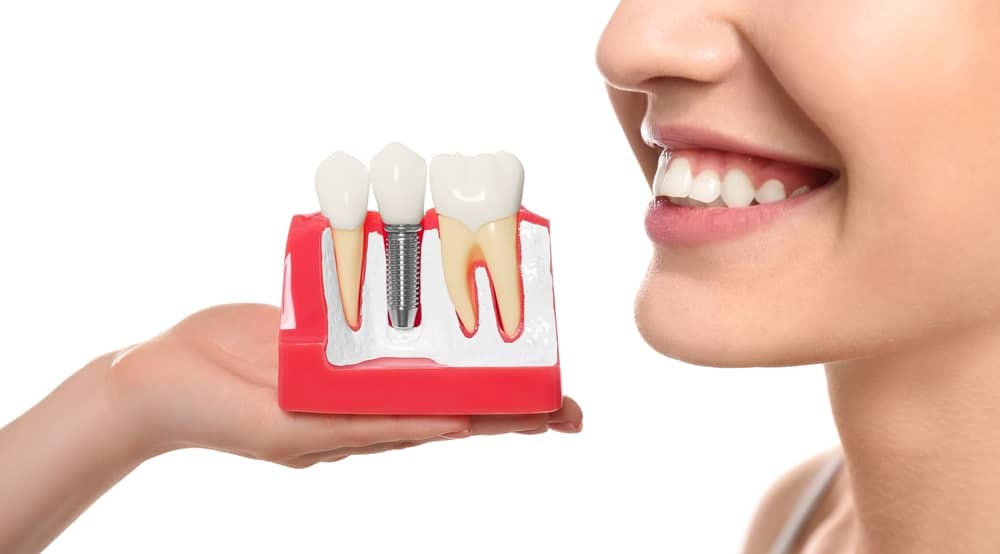
Dental implants can be a strong option for replacing missing teeth, but your gums, jawbone, health history, and daily habits all play a role in whether implant treatment makes sense. In some cases, a dentist may recommend treating another issue first.
People considering dental implants in Omaha can visit The Dentists of Omaha for a full evaluation and treatment planning. Dr. Jay Samuelson attended the Las Vegas Institute for Advanced Dental Studies and founded the practice that grew from Hillsborough Family Dentistry into four Omaha-area offices.
Before deciding whether implants are an option, it helps to know which oral health and medical factors may delay or change the treatment plan.
Active Gum Disease
Healthy gums are important for implant stability. If you have active gum disease, the tissue and bone that support your teeth may be inflamed or weakened.
That doesn’t always mean implants are off the table forever. It often means gum disease needs treatment before implant placement can be considered.
Not Enough Jawbone Support
A dental implant requires sufficient bone to hold the titanium post securely. Bone loss can happen after a tooth has been missing for a while, or it may be connected to gum disease, trauma, or other oral health issues.
Your dentist may use X-rays or 3D imaging to study your bone structure. If bone volume is too low, you may need another procedure first, or your dentist may discuss a different tooth replacement plan.
Certain Health Conditions or Medications
Your overall health matters because implant treatment involves oral surgery and healing. Some health conditions or medications can affect healing, infection risk, or bone health.
During your consultation, be honest about your medical history, medications, tobacco use, and any recent health changes. This helps your dentist decide whether implants are a safe choice now or whether another step should come first.
Smoking or Poor Oral Hygiene
Smoking can interfere with healing and raise the risk of implant problems. Poor brushing and flossing habits can also put the tissue around an implant at risk.
A dentist may want to see stronger home care habits before moving ahead. Dental implants can last for many years, but they need daily cleaning and routine dental visits.
Teeth Grinding or Heavy Bite Pressure
Implants are durable, but they can still be affected by repeated pressure from grinding or clenching. If bruxism is part of your dental history, a custom nightguard may be part of your long-term care plan.
When You’re Not a Candidate Right Away
Being told you’re not ready for implants doesn’t always mean you’re permanently disqualified. Many concerns can be managed with periodontal care, bone evaluation, improved home care, smoking cessation, or another treatment plan.
Dental Implant Candidacy in Omaha, NE
The best way to know whether dental implants are right for you is to have your teeth, gums, jawbone, and health history reviewed in person.
To contact us about implant candidacy, call Hillsborough at 402-445-4647, Village Pointe at 402-505-7474, Ralston Square at 402-733-4441, or Dundee at 402-502-5593.