
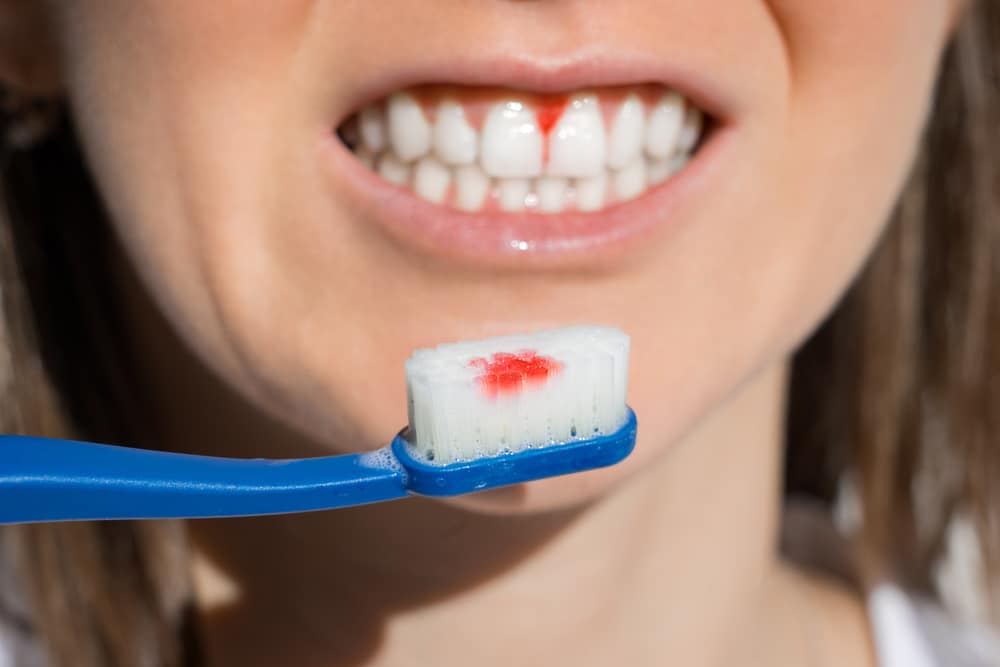
Brushing every day is one of the best things you can do for your teeth, but it doesn’t make you immune to tooth decay. Cavities can still form when plaque, bacteria, sugar, acid, dry mouth, or hard-to-clean areas work against your routine. That can feel frustrating when you’re trying to do the right things at home.
For preventive and restorative general dentistry in Omaha, The Dentists cares for families across Hillsborough, Village Pointe, Ralston Square, and Dundee. The practice was founded by Dr. Jay Samuelson, a Nebraska native and Creighton University School of Dentistry graduate who opened his first Northwest Omaha dental office in 1996.
Understanding the habits and health factors that contribute to cavities can make it easier to see why tooth decay may still occur despite daily brushing.
Brushing May Not Reach Every Area
Even a consistent brushing habit can miss certain spots. Back molars, grooves in the chewing surfaces, the gumline, and tight spaces between teeth can hold plaque.
That’s why flossing and routine dental cleanings matter. Flossing reaches areas a toothbrush can’t, while professional cleanings remove hardened tartar that brushing at home won’t clear.
Diet Can Still Feed Cavity-Causing Bacteria
Tooth decay is strongly connected to what sits on your teeth throughout the day. Sugary snacks, sweet drinks, frequent sipping, and sticky foods can give bacteria more chances to create acid.
It’s not only candy that matters. Crackers, chips, dried fruit, sports drinks, sweet coffee drinks, and soda can all play a role. If you snack often, your teeth may spend more time in an acidic environment.
Dry Mouth Can Raise Your Risk
Saliva helps rinse food particles and acids from your mouth. When your mouth stays dry, plaque can build more easily.
Dry mouth can occur due to certain medications, dehydration, mouth breathing, tobacco use, or certain health conditions. If your mouth often feels dry, your dentist may recommend ways to protect your teeth and gums.
Old Dental Work Can Change Over Time
Fillings and crowns can last for many years, but they don’t last forever. Small gaps, cracks, or worn edges can allow bacteria to collect around dental work.
During a dental exam, your dentist can check older restorations and look for early signs of decay before a small issue becomes more uncomfortable or expensive to treat.
Everyday Habits That Help Lower Cavity Risk
A strong home routine can still make a major difference. Try to:
- Brush twice daily with fluoride toothpaste
- Floss once a day
- Drink water after meals and snacks
- Limit frequent sugary or acidic drinks
- Replace your toothbrush when the bristles wear down
- Keep regular dental exams and cleanings
Cavity Prevention and Treatment in Omaha, NE
Brushing matters, but it’s only one piece of keeping your teeth healthy. The Dentists in Omaha can help you understand what to do next.
To schedule an appointment, call Hillsborough at 402-445-4647, Village Pointe at 402-505-7474, Ralston Square at 402-733-4441, or Dundee at 402-502-5593.