
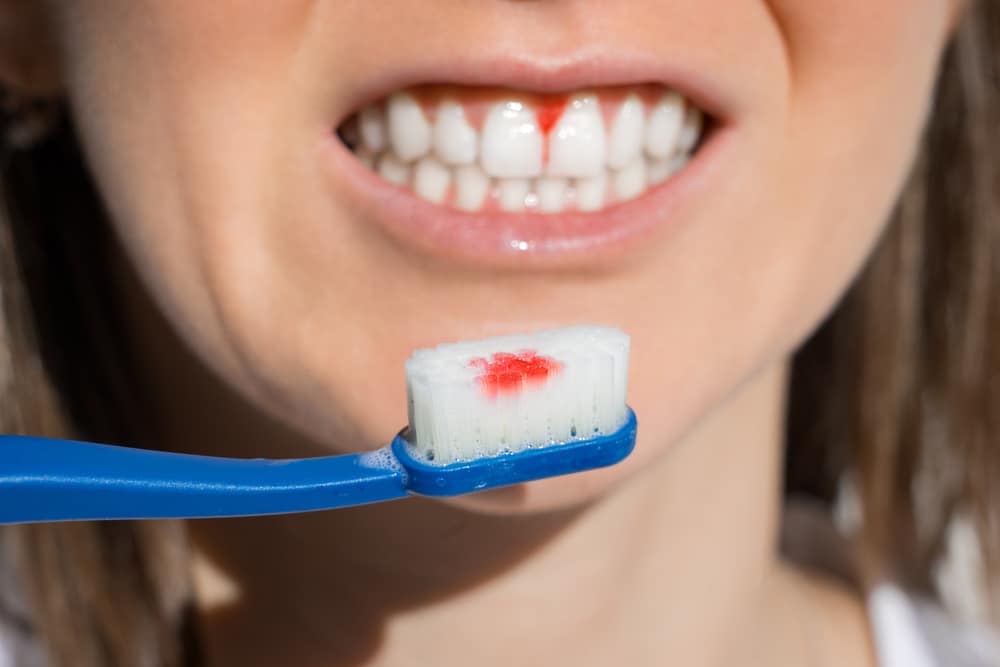
Bleeding gums often signal irritated or inflamed tissue. Plaque buildup and early gum disease are frequent causes, but your brushing habits, medications, hormonal changes, and other factors can also play a role. Regular general dentistry visits help determine why your gums are bleeding and catch oral health problems before they become more serious.
With four locations in Omaha, NE, The Dentists of Omaha offers preventive, general, family, and cosmetic dental care. Our dental team brings decades of combined experience and is known for its strong community involvement.
The following are three of the most common causes of bleeding gums.
1. Plaque Buildup and Gingivitis
One of the most frequent reasons gums bleed is gingivitis, the earliest stage of gum disease. Plaque is a sticky, bacteria-containing film that continually forms on your teeth. If you don’t regularly remove plaque through brushing and flossing, it can irritate the gumline. Plaque that hardens into tartar requires professional removal.
Along with bleeding when you brush or floss, gingivitis may cause redness, swelling, tenderness, or persistent bad breath. Getting dental care at this stage is important because gingivitis can often be reversed before it advances.
2. Brushing or Flossing Habits
Sometimes the way you clean your teeth contributes to bleeding. Brushing too aggressively or using a stiff-bristled toothbrush can irritate delicate gum tissue. You might also notice temporary bleeding when you begin flossing regularly after not doing so for a while.
Gentle brushing with a soft-bristled toothbrush and consistent daily flossing are usually kinder to your gums. Ongoing bleeding, however, shouldn’t simply be blamed on your toothbrush or floss.
3. Periodontal Disease and Other Possible Causes
Bleeding also commonly occurs when gingivitis progresses into periodontitis, which can harm the tissues and bone supporting your teeth. Other factors may make your gums more likely to bleed, including:
- Hormonal changes during pregnancy
- Certain medications, especially those that influence blood clotting
- Poorly fitting dental appliances that irritate the gums
- Some nutritional deficiencies or underlying health conditions
These possibilities are one reason persistent gum bleeding deserves a dental evaluation rather than self-diagnosis.
When Should You See a Dentist for Bleeding Gums?
An occasional small amount of bleeding after changing your flossing routine isn’t necessarily a sign of a major problem. Bleeding that keeps happening, occurs without brushing or flossing, or comes with swelling, gum recession, pain, loose teeth, or persistent bad breath should be checked.
Our dentists will assess your teeth and gums, look for signs of gum disease, and discuss what could be contributing to your symptoms. Routine appointments at The Dentists of Omaha include dental cleanings and exams, with digital X-rays and oral cancer screenings incorporated into preventive care as appropriate.
Get Your Gum Health Checked in Omaha
Healthy gums are an important part of keeping your smile comfortable and functional. If bleeding has become a regular occurrence, contact The Dentists of Omaha to schedule a dental visit at one of our four locations. Call Hillsborough at 402-802-9956, Village Pointe at 402-505-7474, Ralston Square at 402-307-6215, or Dundee at 402-307-6220.